


Workit Health
4.81.41K Reviews
App Specs
- Version
- 4.7.2
- Updated On
- License
- Free
- Downloads
- 100,000+
- Developer
- Workit Health
- Categories
- Medical
- Platform
- Android
Screenshots
 Analysis by AppCompare
Recovery support is rarely convenient at the exact moment someone needs it. That is the problem Workit Health tries to solve: it brings expert care and medication support for opioid and alcohol recovery into an online medical experience. After spending time with the app, my view is that its biggest strength is not flashy technology but reduced friction. It gives people a way to begin a serious conversation from a phone, which can matter when travel, stigma, work schedules, or childcare make traditional appointments difficult.
This is a medical app from Workit Health, and it is free to install. It is aimed at adults dealing with opioid or alcohol use, so the Mature 17+ rating is important rather than decorative. The service is not a casual habit tracker, a motivational quote feed, or a substitute for emergency help. I would treat it as an entry point to professional recovery care, with the app acting as the practical doorway for communication, education, and treatment steps.
What using Workit Health feels like in real life
The experience makes the most sense when I imagine a normal, messy day rather than an ideal recovery routine. Someone may wake up worried about drinking again, finish a shift late, and feel unable to sit in a waiting room or explain everything face to face. An online service can lower that first barrier. Opening the app privately and starting the care process may feel more manageable than searching for a clinic while already overwhelmed.
That convenience does not make recovery simple, but it changes the first decision from “Can I organize an appointment?” to “Can I take the next step now?” I see that as the app’s central practical advantage. The best use is not necessarily constant browsing. It is having a structured medical channel available when a person is ready to ask for help, follow a treatment plan, or stay connected to care.
Workit Health has been available since August 6, 2018, and the current version is 4.7.2. It supports devices running iOS 9 or later, which is useful for people who do not own a recent phone. Its reach is also meaningful: more than one hundred thousand installs and an average rating of 4.8 from roughly 2.7 thousand ratings suggest that many users find the experience worthwhile. I would not treat those figures as proof that it will suit every patient, but they do indicate that the app has built a substantial user base.
The medical focus is its clearest strength
Many recovery apps concentrate on journaling, streaks, reminders, peer stories, or general encouragement. Those tools can be valuable, but they leave a major question unanswered: what happens when someone needs clinical guidance or medication? Workit Health is more focused. Its purpose is tied to expert care and medication for opioid and alcohol recovery, so I would choose it when I want a treatment-oriented service rather than another self-monitoring tool.
That distinction matters because self-help apps often place the entire burden on the user. They may help someone record cravings, but they do not replace an assessment or a clinician’s judgment. Workit Health is designed around professional care, which makes it more relevant for a person who has already recognized that willpower and informal advice are not enough.
Worth Reading Before You Choose

EA SPORTS FC Mobile 26 Is a Bigger Football Game, but It Takes Time

Flipboard Shows What News Apps Must Do Beyond the Feed

Switching to Android Auto Means Rethinking Your Driving Routine

Google Calendar Makes a Crowded Week Easier to Manage

Ludo King Makes the Most of the Minutes Between Plans

Baby Panda World Brings Quick Play to Modern Phones, but Its Game Library Feels Busy
There is also a useful psychological advantage to separating recovery care from ordinary social apps. A dedicated medical environment can make the goal feel concrete. Instead of opening a general wellness app and deciding what to do, I can approach the service with a specific reason: opioid recovery, alcohol recovery, or questions about treatment. That focus may be reassuring for someone who feels tired of vague wellness language.
Online access helps, but it does not remove responsibility
The online format is especially helpful for people who live far from suitable providers, have unpredictable schedules, or want more privacy at the start of treatment. It can also help someone prepare for a conversation before speaking with a clinician. I would recommend using a quiet, private setting and allowing enough time to answer questions thoughtfully rather than trying to complete care steps while distracted.
One practical tip is to keep a short record of recent substance use, current medications, allergies, previous treatment, and questions you want answered before beginning. That preparation can make an online medical appointment more productive. It also reduces the chance of forgetting an important detail simply because the conversation is happening through a screen.
A second tip is to think about continuity before enrolling. Online care is most useful when the user can reliably check messages, attend required appointments, and follow instructions. If a person regularly loses phone access, shares a device, or cannot find a private place to communicate, the convenience may quickly turn into stress. The app can open a door, but the user still needs a workable routine on the other side.
Where the experience can feel limited
The same online design that makes Workit Health accessible can also make it feel less complete than in-person care for some people. A phone cannot provide physical presence, immediate observation, or the broader support network available at a clinic. Someone who needs urgent assessment, intensive supervision, detoxification support, or emergency intervention should not rely on an app as the only resource.
This is the most important limitation to understand. “Online” is a delivery method, not a guarantee that every level of care can happen remotely. If symptoms are severe, safety is uncertain, or there is an immediate risk of harm, emergency services and local medical care are more appropriate. I would also want a clear backup plan for evenings, travel, missed appointments, or a sudden change in symptoms rather than assuming the app alone covers every situation.
Another possible friction point is emotional. Some people communicate more openly in person, while others find video or messaging easier. The app’s value depends partly on which style helps the user be honest. If someone minimizes symptoms whenever they type, avoids appointments, or feels disconnected from remote consultations, a local clinician or face-to-face program may be a better fit.
Medication support also requires maturity from the user. I would not approach this as a quick prescription shortcut. Medical treatment involves accurate information, follow-through, and communication about side effects or changes in health. The app may make access easier, but it does not make medication risk-free or eliminate the need to follow professional instructions.
How it compares with familiar alternatives
Compared with a recovery tracker, Workit Health is stronger when the main need is clinical care rather than personal statistics. A tracker may be better for someone who already has a doctor and only wants to record cravings, sober days, triggers, or mood. In that situation, a specialized medical service could feel like more structure than necessary.
Compared with peer-support groups, the app offers a different kind of value. A group can provide human connection, shared experience, and encouragement from people who understand recovery personally. Workit Health is more suitable when expert assessment and medication are central concerns. I would not expect it to replace community, a sponsor, therapy, or trusted relationships. In fact, many users may benefit from combining professional online care with a separate source of emotional and social support.
Compared with a traditional clinic, the online route is usually easier to fit around daily life, but an in-person provider may offer broader examination, local referrals, and immediate access to services that cannot be delivered through a phone. The better option depends on the level of care required. I see Workit Health as particularly strong for people who need a lower-friction beginning or ongoing remote support, not as a universal replacement for every recovery setting.
Who will get the most from it
I would recommend Workit Health first to an adult who recognizes a problem with alcohol or opioid use and wants professional help without starting with a conventional clinic visit. It is also a sensible option for someone whose work, transportation, location, or privacy concerns make regular in-person appointments difficult. The free app makes exploring the service less intimidating financially, although the medical journey itself should still be approached as serious care rather than casual browsing.
It may suit a person who is ready to answer health questions honestly, communicate consistently, and consider medication as part of a broader recovery plan. It can also help someone who has tried general wellness tools and found that reminders or streaks did not address the underlying need for treatment. In that case, the app’s professional focus is a meaningful step up from self-guided tracking.
I would be more cautious recommending it to someone seeking only anonymous peer conversation, a simple sobriety counter, or a fully in-person relationship with a local doctor. It is also not the right first choice for an emergency, severe withdrawal, or a situation requiring immediate physical supervision. Those needs call for urgent local medical assistance, not an app-based starting point.
Small workflow choices that make a difference
One non-obvious advantage of a focused medical app is that it can help a user separate “I need help” from “I need to solve my entire life today.” I would use it to define the next clinical step, write down questions, and keep communication organized. That narrower goal is often more realistic than trying to overhaul sleep, diet, relationships, work, and substance use at the same time.
I would also avoid judging progress only by whether every day feels successful. Recovery can involve setbacks, uncertainty, and changing treatment needs. The useful workflow is to report changes accurately, ask about problems early, and use professional guidance to adjust course. Hiding a relapse or skipping communication defeats the main benefit of choosing a medical service in the first place.
Privacy deserves practical attention too. Because this is sensitive medical care, I would use a device protected by a passcode, avoid discussing treatment on a shared screen, and sign out or secure notifications if other people use the phone. These are simple habits, but they matter more here than they would with an ordinary fitness app.
My verdict after weighing the trade-offs
Workit Health succeeds because it treats online recovery support as medical care rather than dressing up a generic wellness app with recovery language. Its strongest case is clear: an adult dealing with opioid or alcohol use can pursue expert care and medication support through a more convenient digital route. The strong user response and broad install base reinforce the impression that this approach works for many people.
My reservation is equally clear. Remote access cannot provide every kind of assessment, supervision, or human connection, and the app should not be mistaken for emergency treatment or a complete recovery ecosystem. Users need to be comfortable communicating honestly online and should know when local, in-person, or urgent care is the safer choice.
Overall, I would recommend it to someone who has been postponing treatment because traditional access feels too difficult. The app’s real achievement is making that first serious step feel more reachable. For the right user, Workit Health is not a replacement for recovery support everywhere; it is a practical bridge to professional care when a phone is the easiest place to begin.
As a medical app, it carries a Mature 17+ audience and should be used with the seriousness that implies. Workit Health is free to download, developed by Workit Health, and its focused purpose makes it easier to understand than many broad wellness products. If your priority is expert recovery care for opioid or alcohol use and an online format fits your life, I think it deserves consideration. If you need immediate physical help, intensive supervision, or primarily peer companionship, I would choose a different form of support or use those resources alongside it.
Pros
- Personalized recovery plans support different stages of addiction treatment.
- Virtual visits make it easier to connect with qualified care providers.
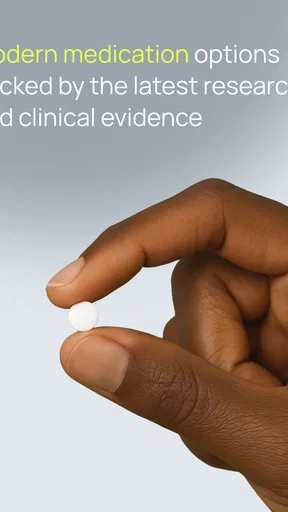
- Medication-assisted treatment may be available when clinically appropriate.
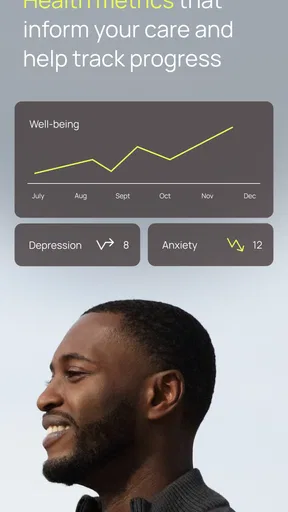
- Progress tracking can help users monitor goals and treatment milestones.
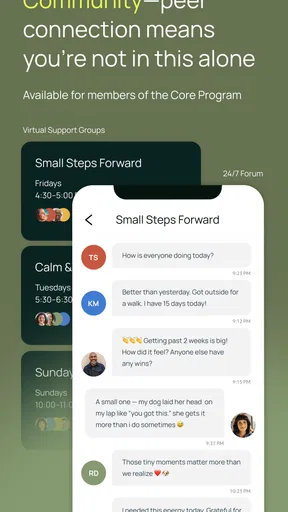
- Peer support features may reduce feelings of isolation during recovery.
Cons
- Availability and treatment options can vary by location and eligibility.
- Some services may require a paid membership or insurance coverage.
- The app is not intended for emergencies or severe withdrawal symptoms.
- Digital care may feel less personal than attending an in-person program.
- Sharing sensitive health information online may concern privacy-conscious users.
FAQs for Workit Health
What is Workit Health, and who is it designed for?
Workit Health is a digital recovery platform designed to support people dealing with substance use, including alcohol and opioid dependence. After exploring the app, it is clear that it combines educational lessons, recovery tools, coaching, and community-oriented support rather than functioning as a simple habit tracker. It may be useful for people seeking structured help, although it should complement—not replace—professional medical care when clinical treatment is needed.
Does Workit Health provide medical treatment or prescription medication?
Workit Health may offer access to licensed clinicians and treatment programs, depending on the user’s location, eligibility, and the specific substance-use service selected. In some cases, medical evaluation and prescription-based treatment may be available, but the app itself does not guarantee medication or a diagnosis. Users should review current availability, pricing, and state or regional requirements before downloading and beginning the enrollment process.
What features can I expect to find in the Workit Health app?
The app generally focuses on practical recovery support, including guided lessons, progress tracking, cravings or trigger-management tools, journaling prompts, goal setting, and communication with care professionals or peer-support resources where available. The exact features can vary by program and subscription. New users should expect to complete an intake or assessment so the experience can be tailored to their recovery goals and circumstances.
Is Workit Health confidential and safe to use?
Workit Health is intended to handle sensitive health and recovery information through a digital healthcare environment, but users should still read the current privacy policy and terms before creating an account. Security and confidentiality depend on account protection, platform practices, and how information is shared with care providers. Use a strong password, enable available security options, and avoid discussing private details on unsecured devices or networks.
How much does Workit Health cost, and is it available everywhere?
Workit Health may include free introductory resources, paid memberships, coaching plans, or clinician-supported treatment with separate costs. Pricing, insurance acceptance, medication expenses, and appointment availability can differ significantly by program and location. It is also not necessarily available in every country or U.S. state. Before downloading, check the official enrollment page for current eligibility, fees, insurance details, and cancellation terms.


